You Never See the Sun Where It Actually Is — Only Where It Was 8 Minutes Ago
Light takes time to travel, so every glance into space is a glance into the past. The night sky shows stars as they were years, even millennia, ago.
Today’s hidden fact · Sunday, August 9, 2026
Voyager 1 is over 24 billion km away, so far its radio signal takes 22+ hours to arrive, sent by a transmitter weaker than a refrigerator bulb.
A football-field-sized lab, falling around Earth at 8 km every second.
ISS Oleg Kononenko · Nikolai Chub · Tracy Caldwell Dyson · Matthew Dominick · Michael Barratt · Jeanette Epps · Alexander Grebenkin · Butch Wilmore · Sunita Williams
Tiangong Li Guangsu · Li Cong · Ye Guangfu
2010 FX9
Comet NEOWISE Rising over the Adriatic Sea
This sight was worth getting out of bed early. Just over four years ago, Comet C/2020 F3 (NEOWISE) rose before dawn to the delight of northern sky enthusiasts awake that early. Up before sunrise on July 8th, the featured photographer was able to capture in dr…

Falcon 9 Block 5 | O3b mPower 11-13
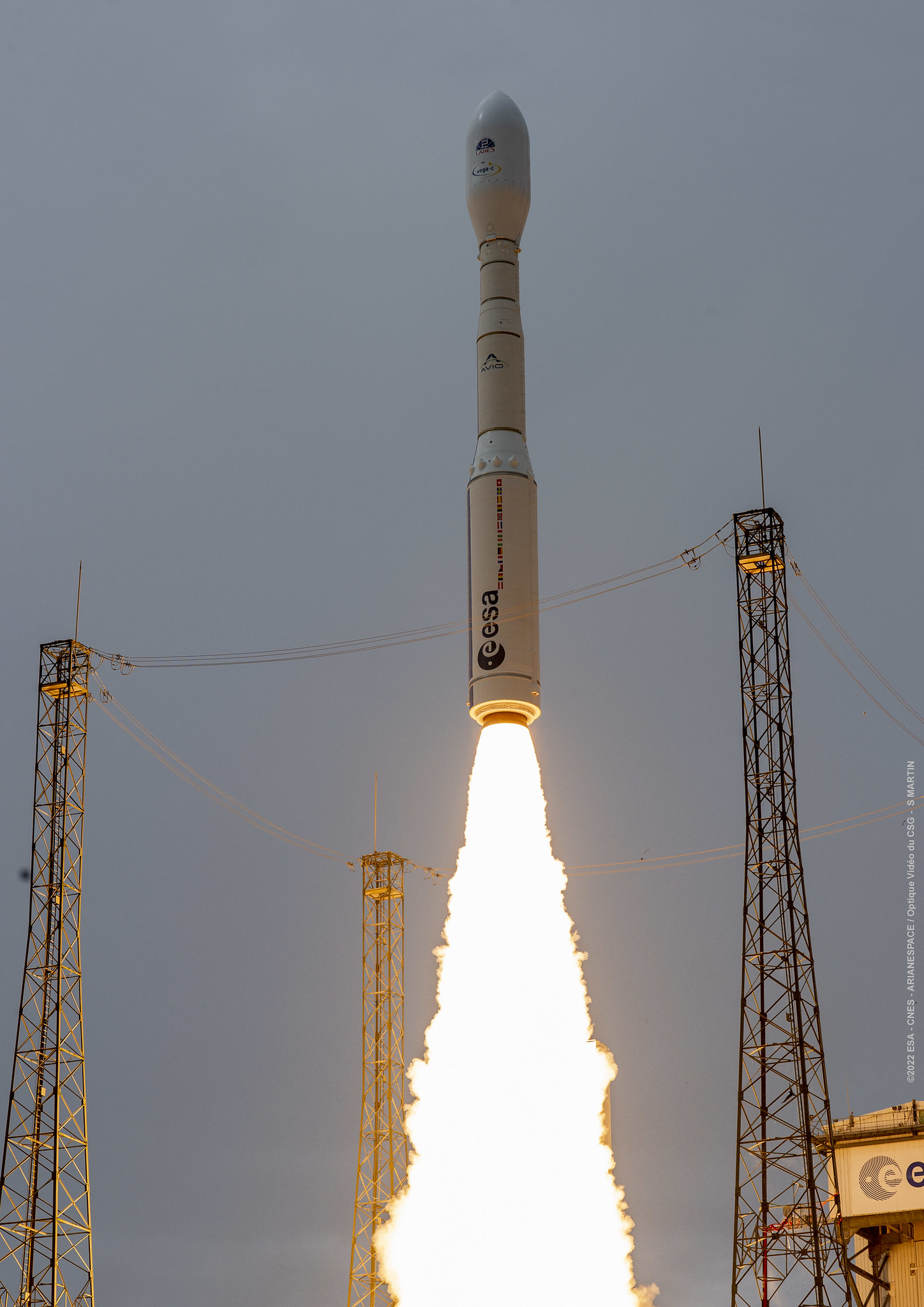
Vega-C | Sentinel-3C & FLEX
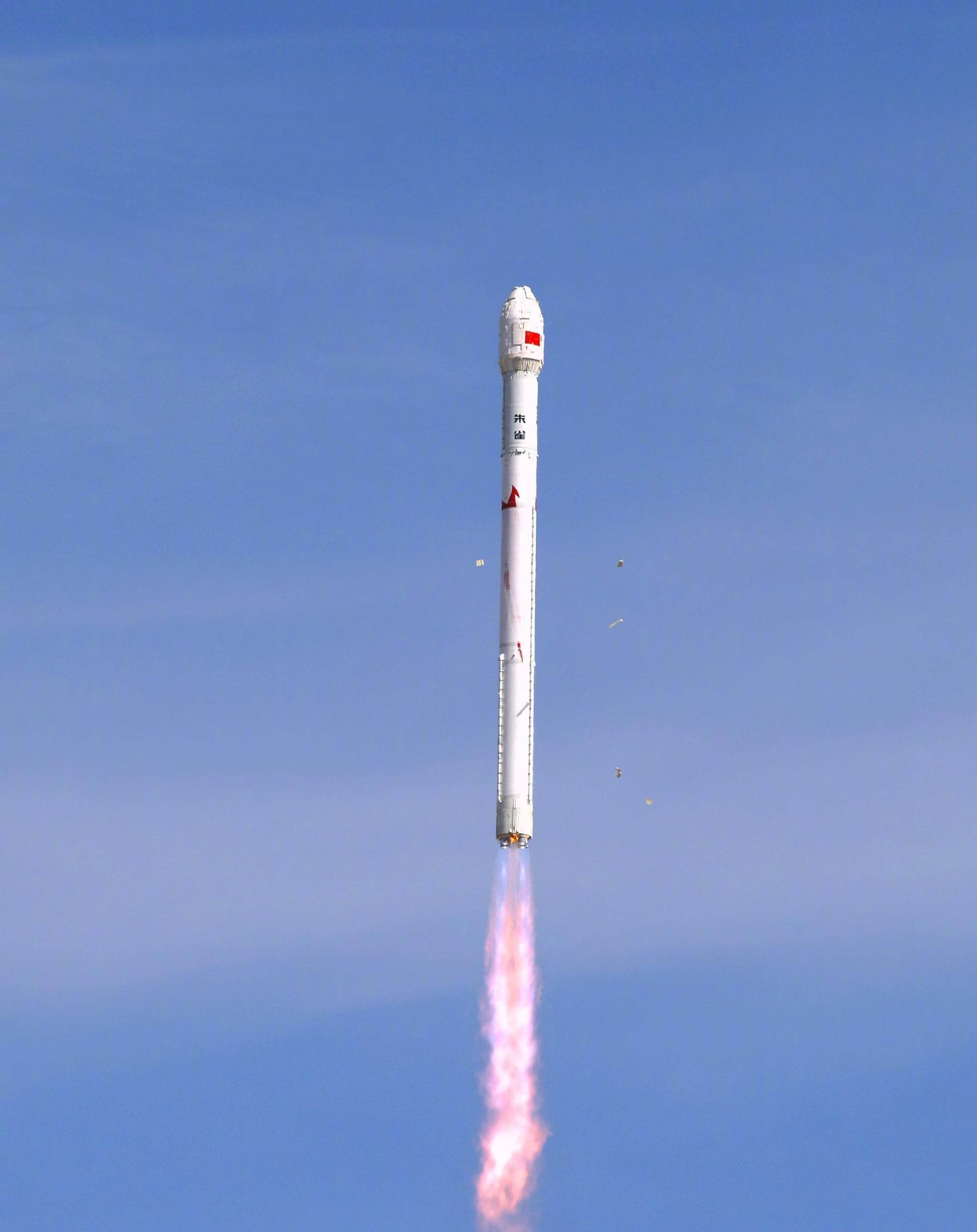
Zhuque-2E Block 2 | Unknown Payload
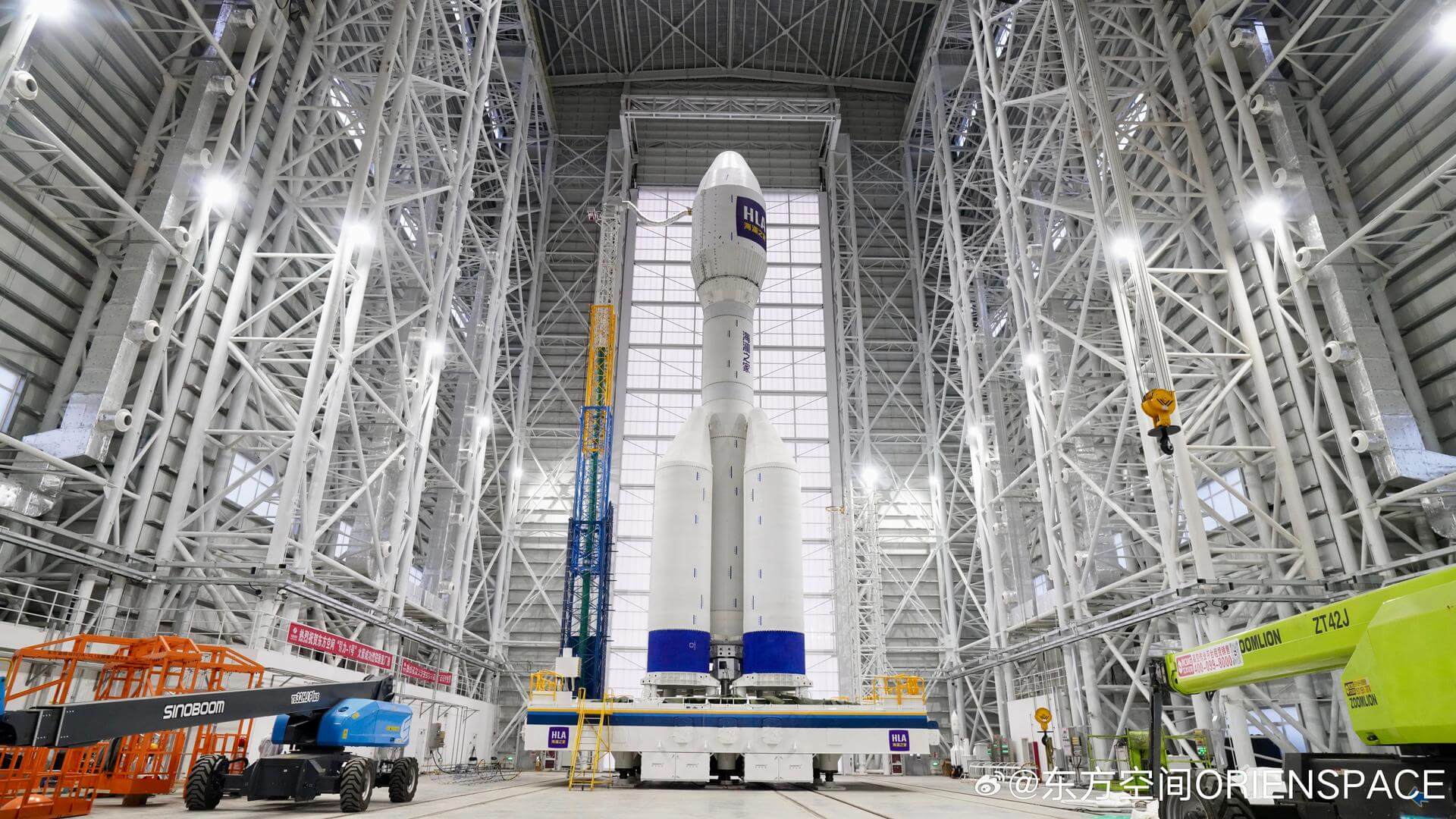
Gravity-1 | Unknown Payload
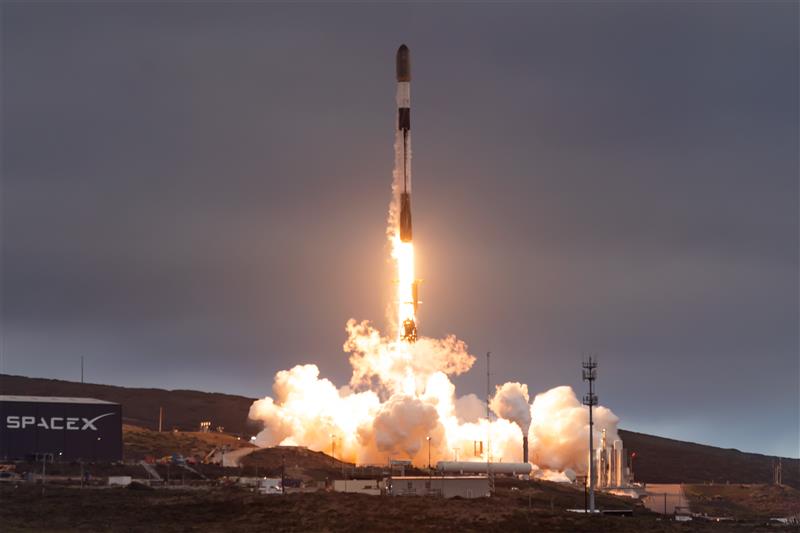
Falcon 9 Block 5 | USSF-259
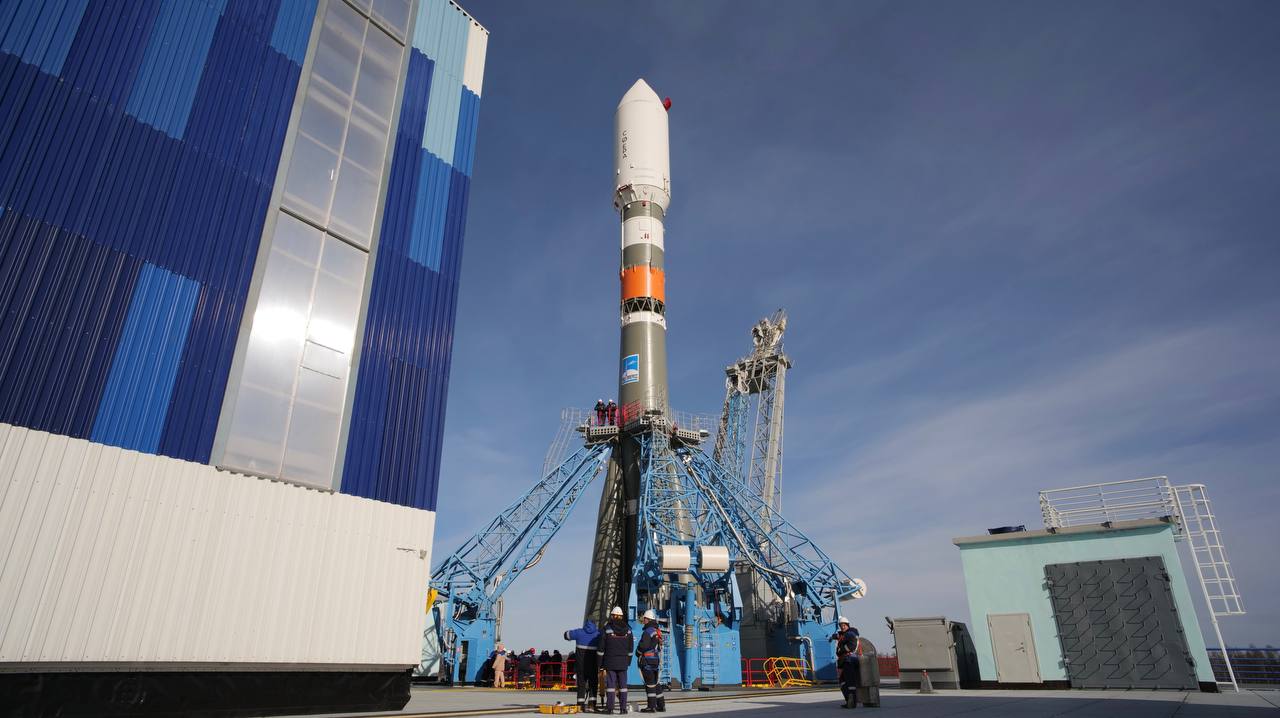
Soyuz 2.1b | Progress MS-35 (96P)
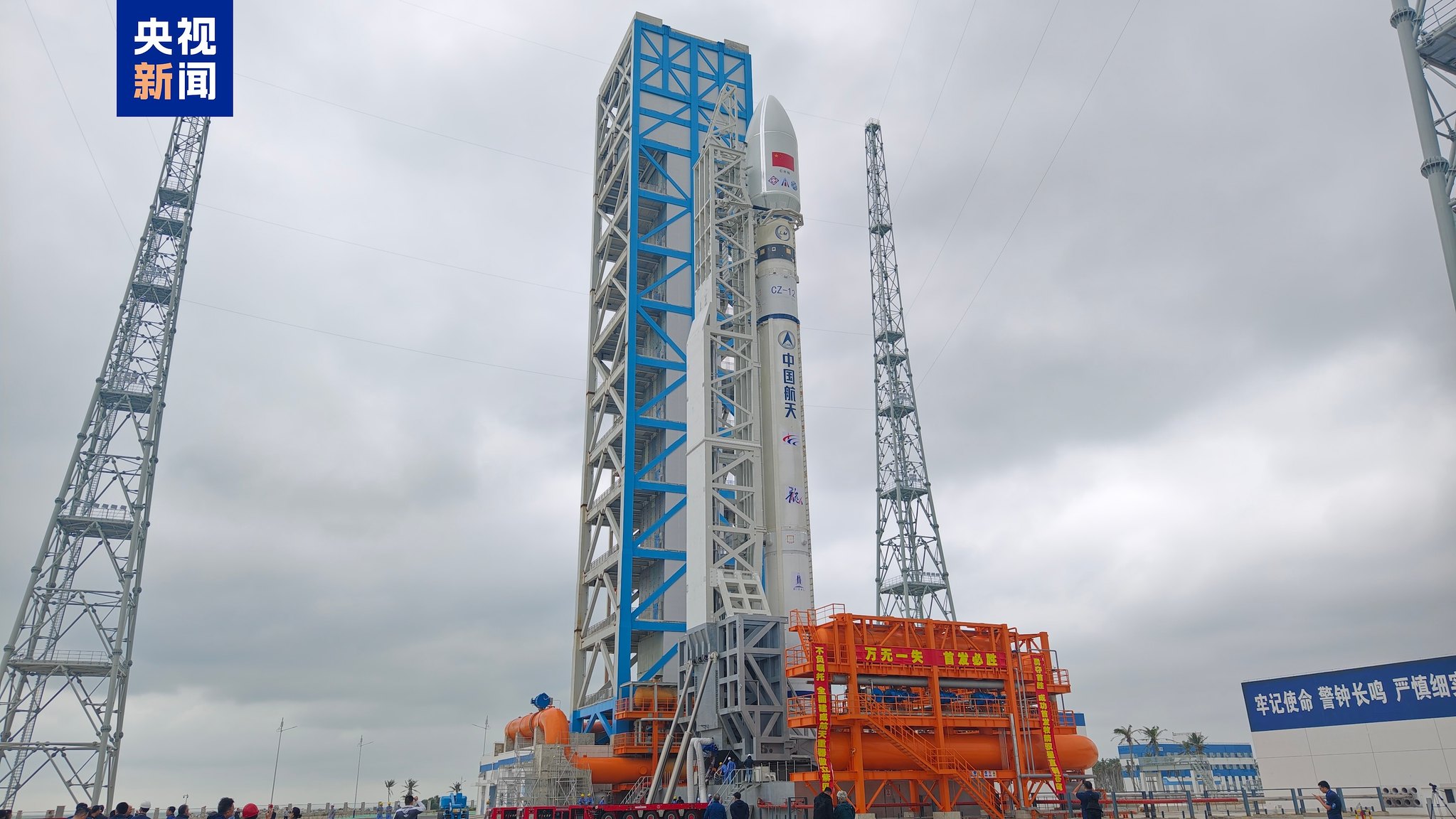
Long March 12 | Unknown Payload
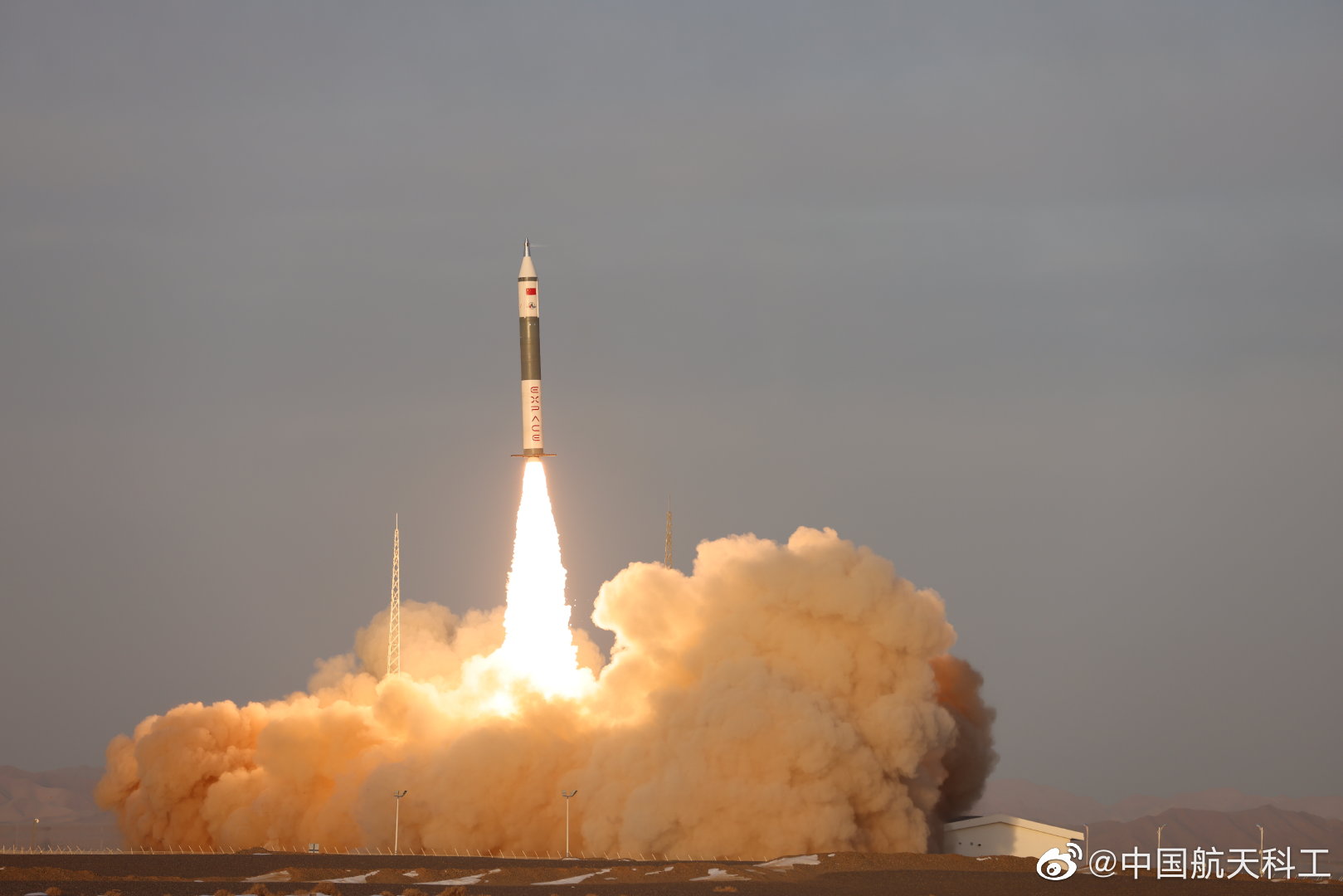
Kuaizhou 11 | Unknown Payload
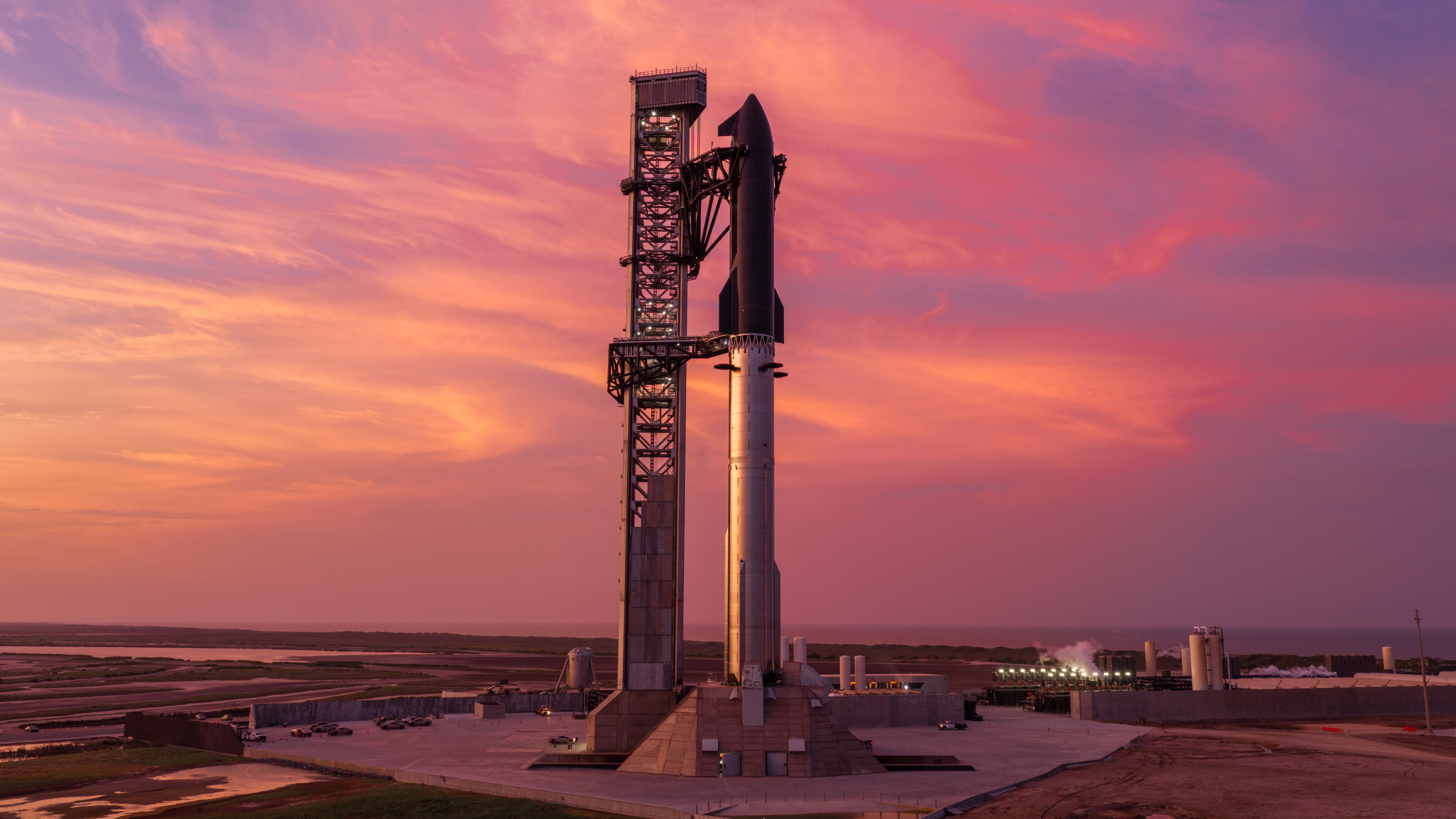
Starship | Flight 14
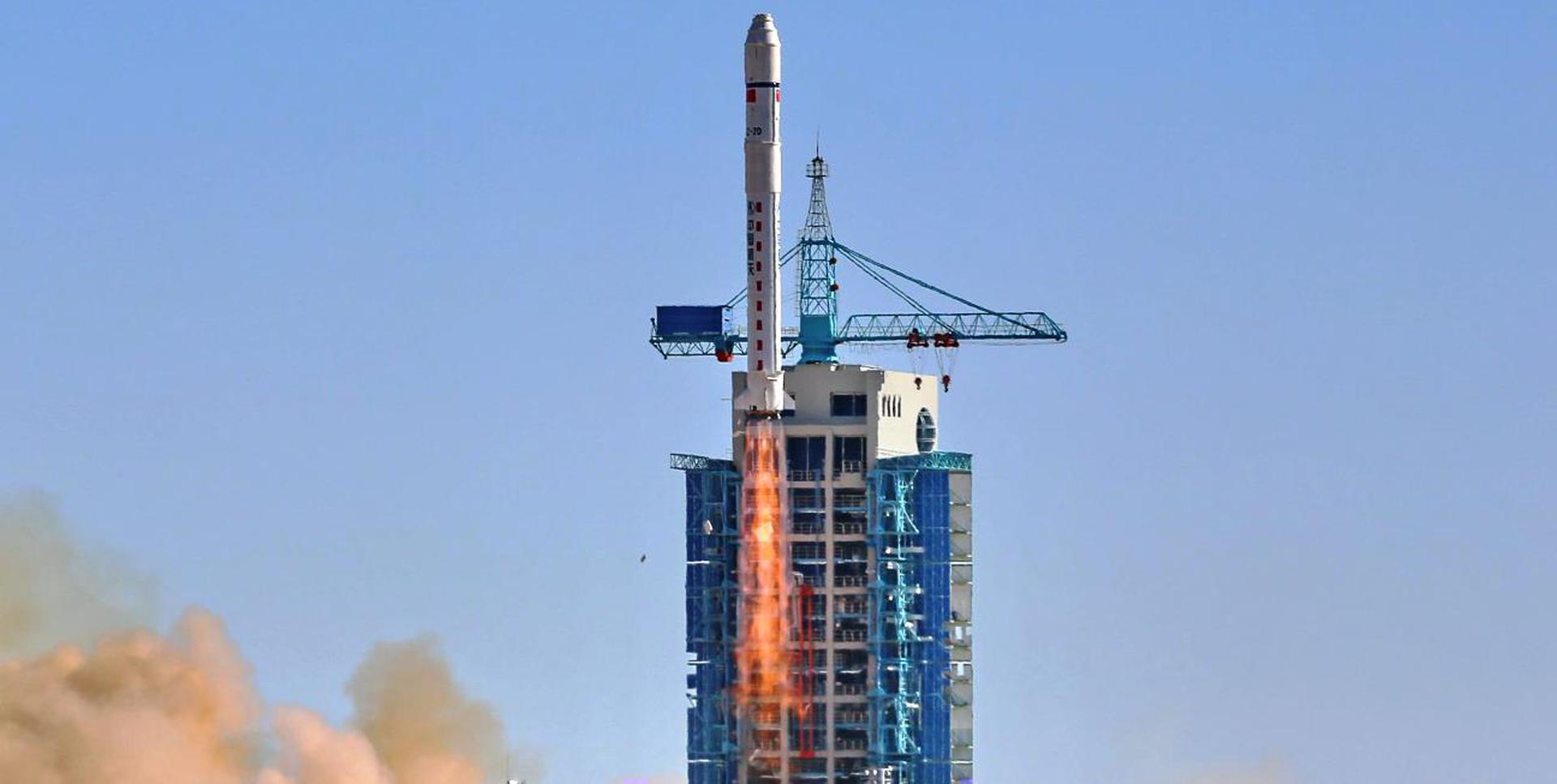
Long March 2D | Unknown Payload

Falcon 9 Block 5 | Starlink Group 15-27
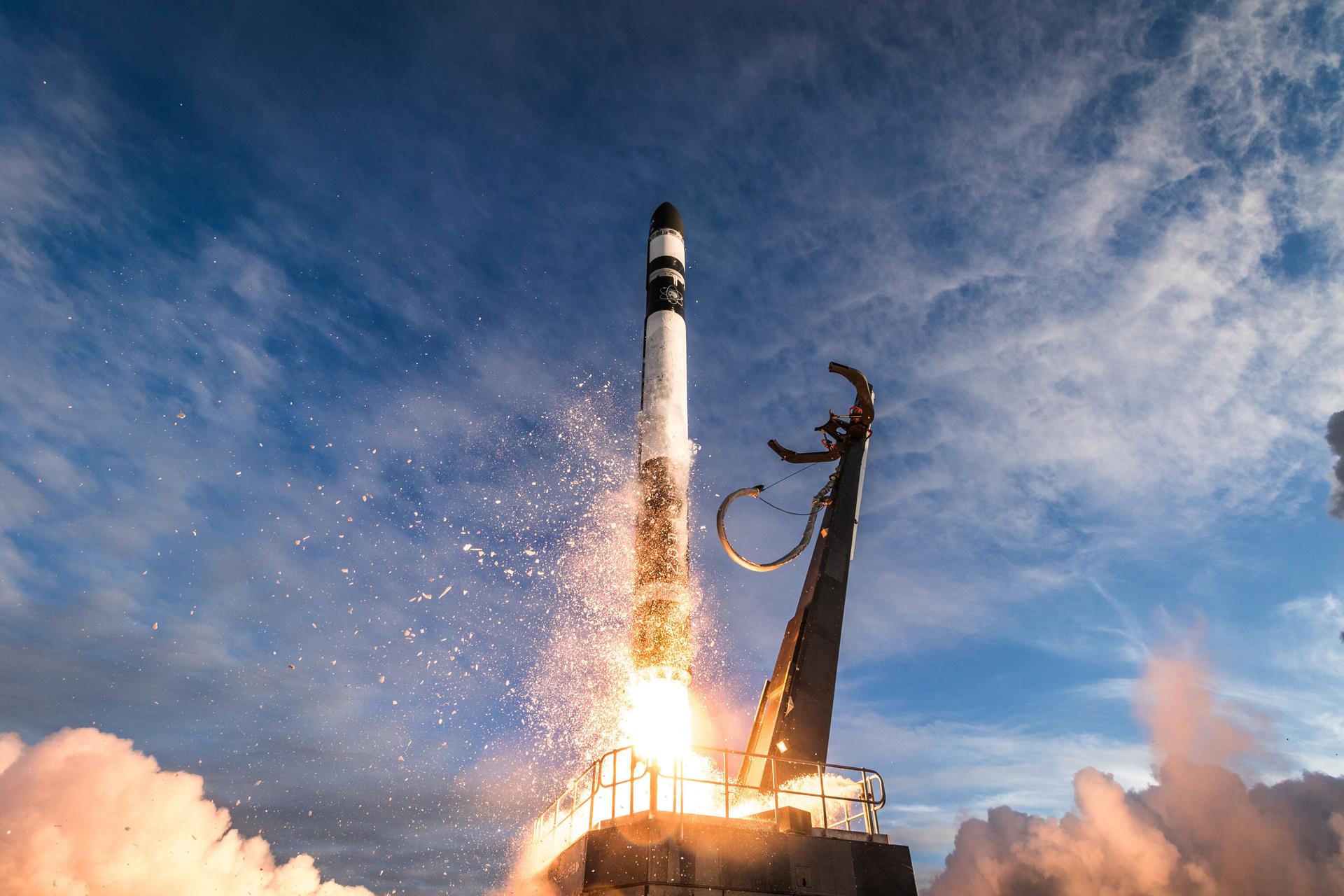
Electron | LOXSAT 1
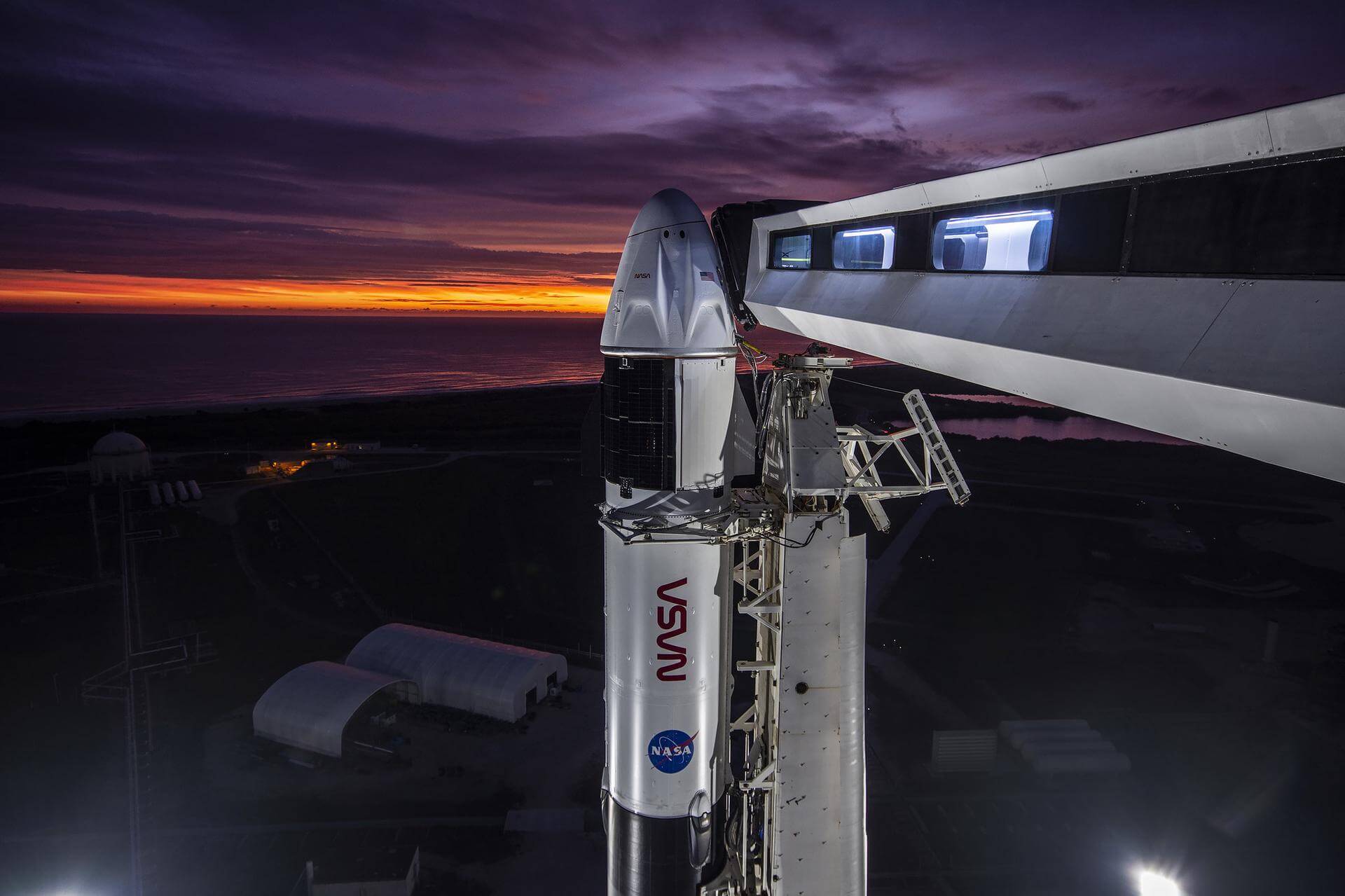
Falcon 9 Block 5 | Crew-13
Falcon 9 Block 5 | SDA Tranche 1 Transport Layer A
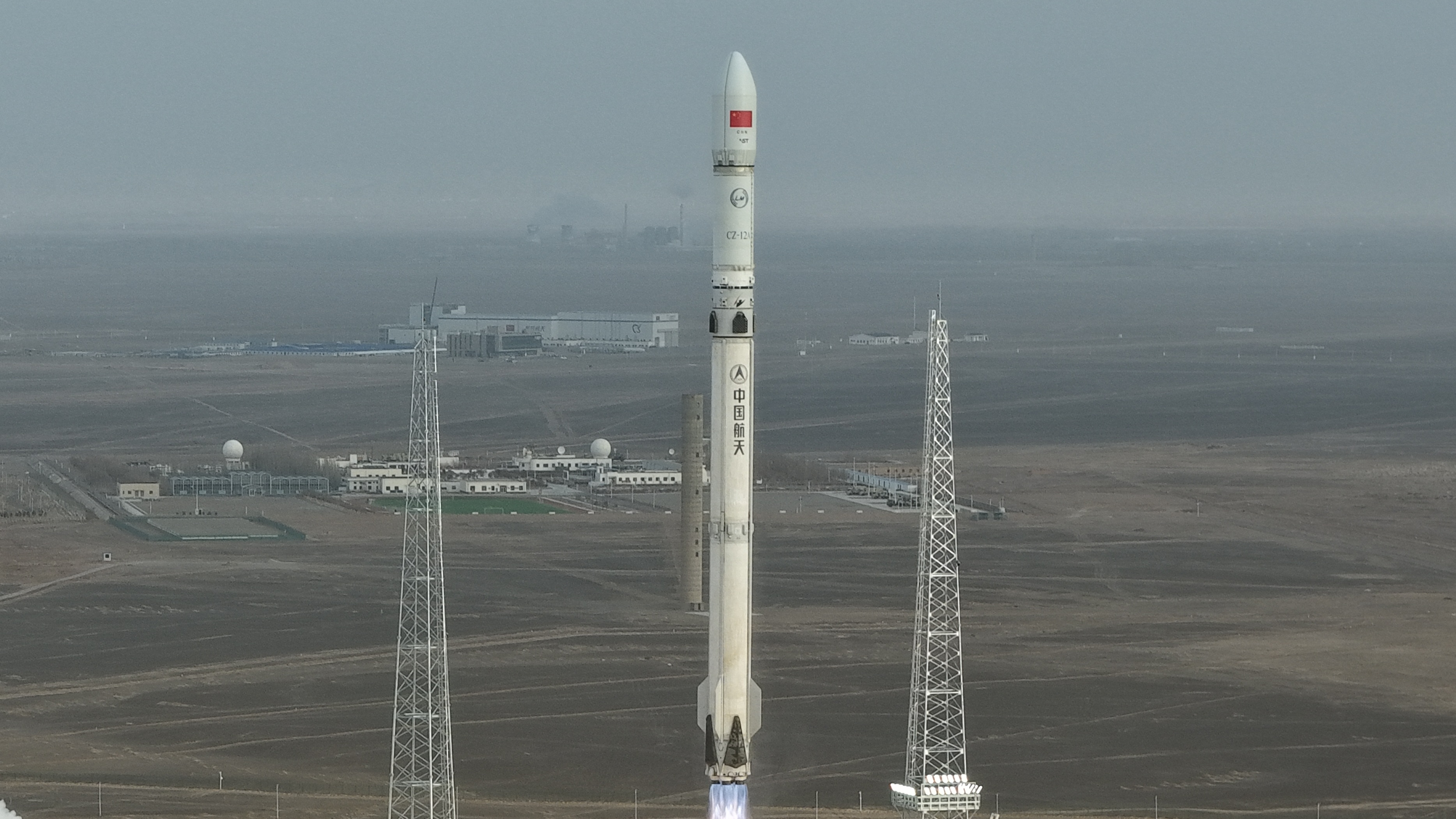
Long March 12A | Flight 2
2010 FX9
2018 VG
2019 GM1
2007 QE3
2018 MC5
2019 SQ8
NASA · today
APOD: 2026 September 13 – Comet NEOWISE Rising over the Adriatic Sea
APOD Science APOD APOD: 2026 September 13 –… Today’s APOD Archive Submissions Index Search Calendar RSS Education About Discuss APOD Astronomy Picture of the Day Discover the cos…

NASASpaceflight · today
Europe’s commercial launch sector picking up the pace

European Spaceflight · yesterday
First HyPrSpace Baguette One Launch Slips to 2027

NASA · yesterday
Help Refine Data from Space Telescopes with Artifact InSPECtor

NASA · yesterday
NASA’s Chandra Spots Galactic Gem

Arstechnica · yesterday
NASA moving at warp speed to set up US Space Academy

NASA · yesterday
NASA’s SpaceX Crew-12 to Discuss Station Mission, Upcoming Return
Scroll from your rooftop to the edge of the observable universe. Every stop is real.
Begin the voyage →The real solar system, computed from orbital mechanics. Scrub time and watch the maths.
Run the simulation →Five questions, one round a day, same for the whole planet. Build your streak.
Play today's round →Put Earth next to the Sun. Then next to a black hole. Watch your brain give up.
Compare anything →Black hole, light-year, quasar — every space term, explained like a human.
Learn the language →Light takes time to travel, so every glance into space is a glance into the past. The night sky shows stars as they were years, even millennia, ago.
In 2015 we caught two black holes colliding a billion light-years away, wobbling spacetime by less than the width of a proton. Einstein predicted it a century earlier.
The Carrington Event made auroras glow over the tropics and shocked telegraph operators. A repeat today could cripple power grids and satellites worldwide.